
Food Export & Sales
Delicious additive-free specialties from Hokuriku / Toyama.
"We want to deliver truly delicious, trustworthy foods that are hard to find in the Tokyo area." With that in mind, we carefully select additive-free specialties made with dedication, mainly from Hokuriku / Toyama. Our president personally selects every product, checking the ingredients, place of origin and production methods one by one.
Key features
Hand-picked by our president
Our president personally researches each product's origin, ingredients and production methods, choosing only what is truly good from the customer's point of view.
Committed to additive-free
Focusing on fermented foods such as kouji amazake and shio-kouji, we value the natural flavor of the ingredients without relying on preservatives or additives.
Specialties from Hokuriku / Toyama
We introduce delicious, trustworthy foods rooted in the region that are rarely seen in the Tokyo area.
Domestic sales and export
We share Japan's rich food culture both at home and with the world.
The makers' story
A chance encounter: the story behind Coincido
Long interested in Japanese food culture, our president Hisashi Tomiyama was captivated by the kouji amazake of a local kouji maker he came across "by chance" while on assignment in Toyama Prefecture. Wanting to share its delicious taste with the world, he founded Power Vision Inc. in 2019 and launched the food brand Coincido. Made with techniques handed down since the Meiji era, this kouji amazake is unique to Toyama Prefecture, home to many kouji makers. It is a carefully crafted drink that he found by following the recommendations of local residents.
The origin of the name Coincido
"We want to cherish our encounters with customers, and their encounters with our products." The brand name Coincido comes from the word coincidence, meaning a chance or fortunate meeting. We also put a strong focus on in-person sales at markets and events, bringing about happy encounters between our customers and our products.
Story of Kouji
Place of Production
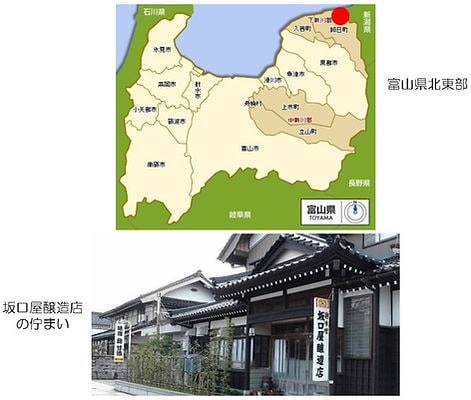
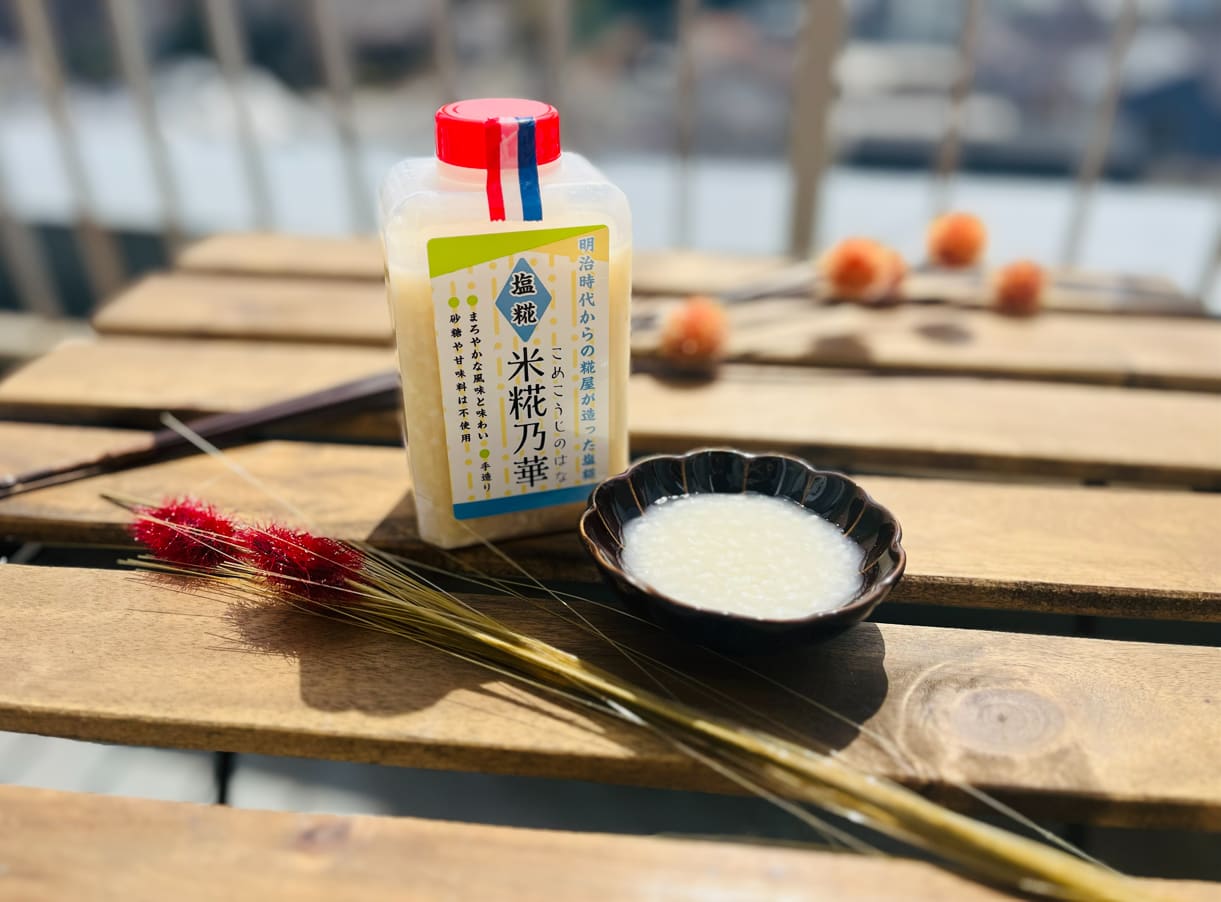
Kome Kouji-no-Hana is a delicious amazake unique to Toyama Prefecture, which is dotted with many kouji makers. It is made by hand at Sakaguchiya Brewery in Asahi Town, in the northeast of Toyama Prefecture.
Producer
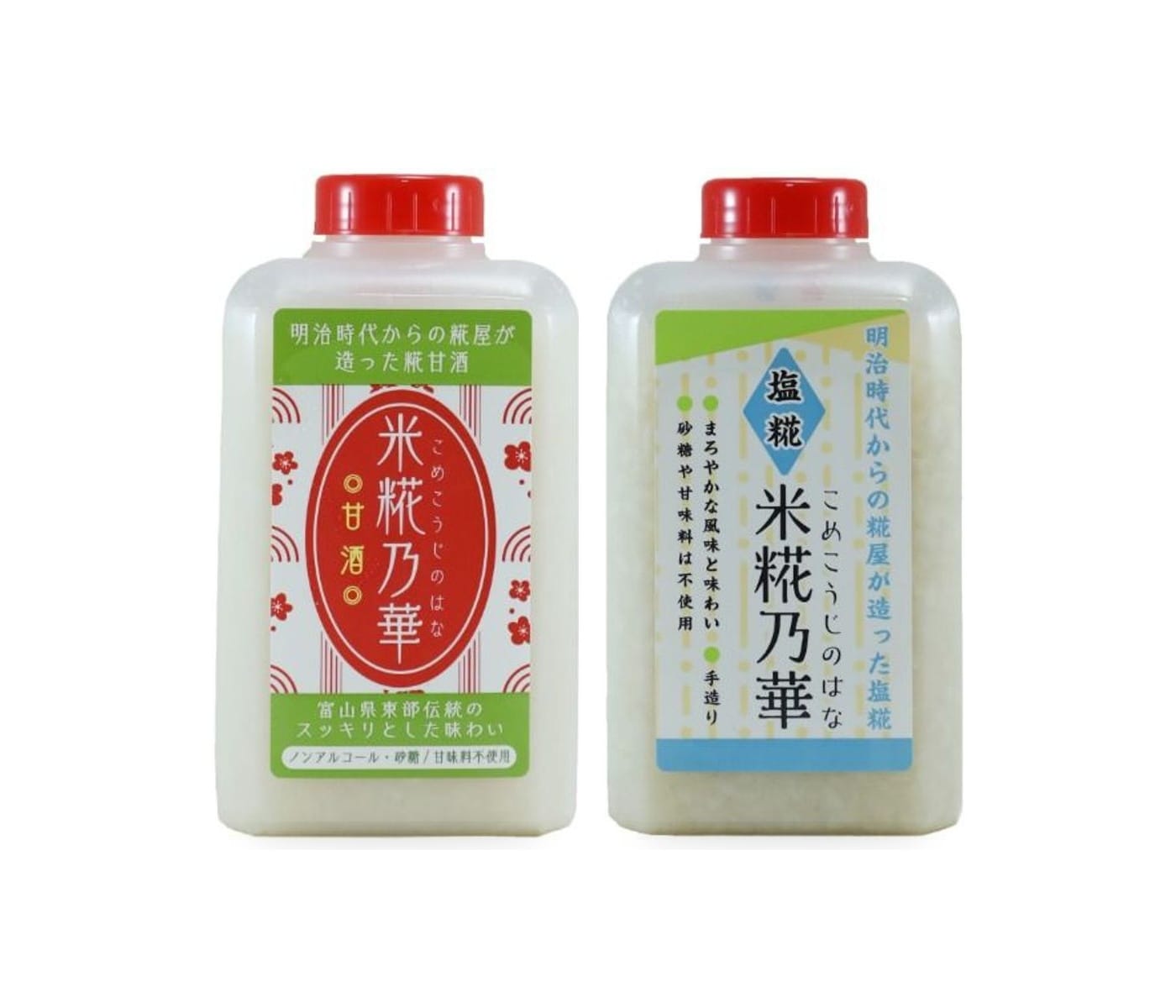
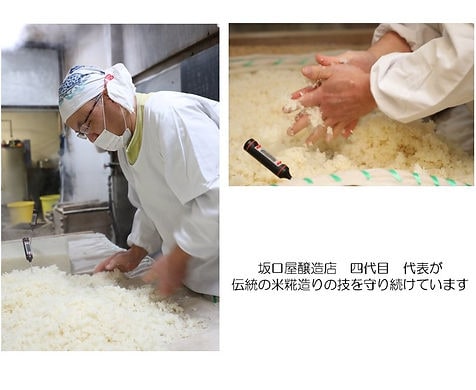
Made by Mr. Hiroki Sakaguchi, a member of the Toyama Kouji Cooperative Association, it recreates the traditional kouji amazake of eastern Toyama Prefecture using techniques handed down since the Meiji era. Because Kome Kouji-no-Hana faithfully recreates traditional kouji amazake and places importance on its flavor, texture and color, it cannot be stored at room temperature. It is pasteurized. It is a pure kouji amazake with a gentle, natural sweetness, made only from one of Japan's leading seed kouji, Koshihikari rice from Toyama Prefecture, and water from the Kurobe River system, which is snowmelt from the Tateyama mountain range. Nothing else is added, not even the salt commonly used to enhance sweetness.
Production Method
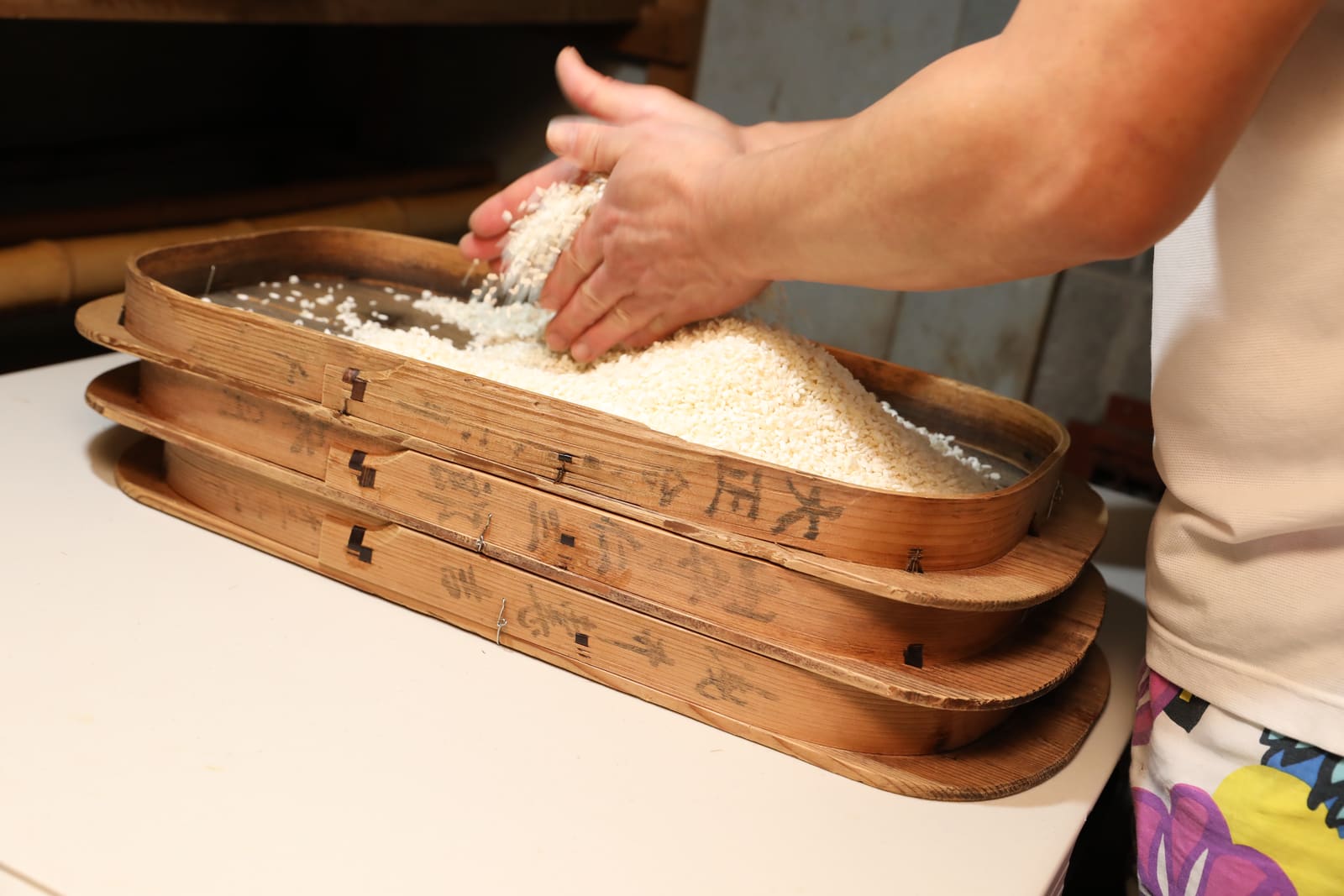
Along with techniques inherited from the Meiji era, the brewery uses no automated equipment or stainless-steel containers. Instead, it produces kome-kouji with strong fermentation power using cedar trays (called kouji-buta) that have been in use for more than 90 years, and straw mats (called komo) woven from fresh glutinous-rice straw by the head of the brewery himself.
How Kome-Kouji Is Made
During the approximately 70 hours from steaming the rice until the kome-kouji is complete, the seed kouji is rubbed into the rice by hand three times. By spreading the seed kouji evenly over every single grain of rice while checking it with a craftsman's eye, the brewery produces high-quality kome-kouji that is consistent and has strong fermentation power. This painstaking work creates kome-kouji, the source of delicious amazake.
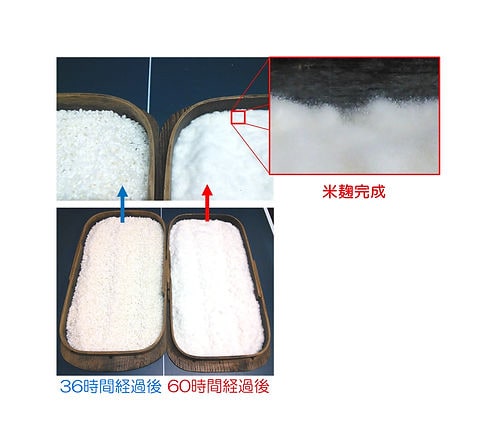
Completion of Kome-Kouji
After resting slowly for 60 hours in the kouji room, the kome-kouji is complete, as if small white flowers had bloomed on the rice.
Our Products
We offer a selection of additive-free specialties, including amazake, shio-kouji, sake, liqueurs, juices and seasonings.
Kouji amazake, shio-kouji and rice kouji
Amazake / Shio-Kouji / Rice-Kouji- Kome Kouji-no-Hana kouji amazake
- Kome Kouji-no-Hana shio-kouji
- Kome-kouji (rice kouji)
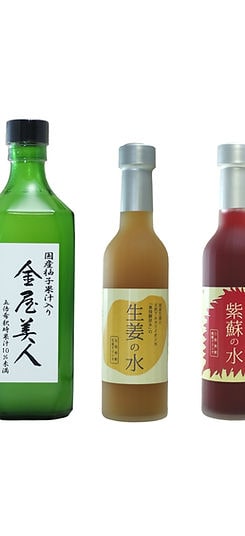
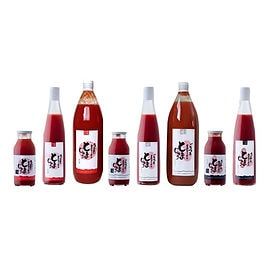
100% juices, additive-free concentrated juices (dilute 3–5 times) and fruit syrups
Juice & Syrup- Kanaya Bijin (yuzu juice)
- Shoga-no-Mizu (ginger juice)
- Shiso-no-Mizu (shiso juice)
- Hida-Takayama tomato juice (Takayama, Gifu Prefecture)
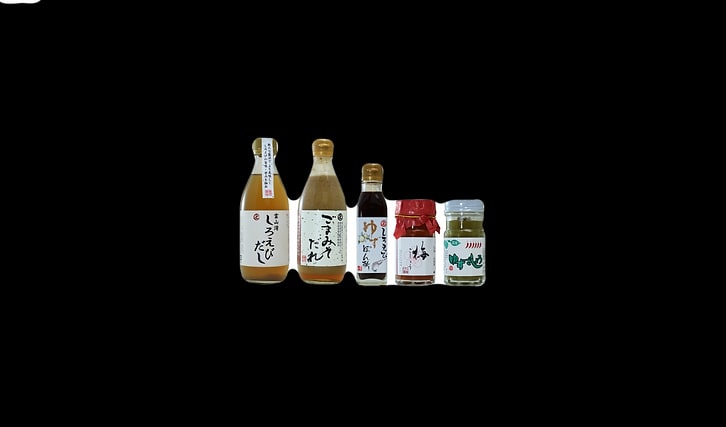
Specialty seasonings and soy sauce
Seasoning / Soy Sauce- Shiro-ebi dashi (white shrimp stock)
- Goma miso dare (sesame miso sauce)
- Shiro-ebi yuzu ponzu (white shrimp and yuzu ponzu)
- Ume-kosho (ume plum pepper paste)
- Yuzu-kosho (yuzu pepper paste)
- Soy sauce
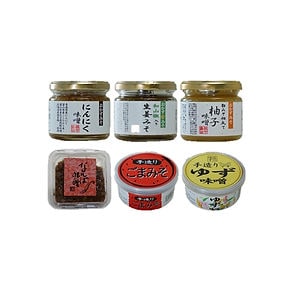
Okazu miso (miso condiments)
Miso- Garlic miso
- Ginger miso
- Yuzu miso (white miso base)
- Nanba miso (hot pepper miso)
- Sesame miso
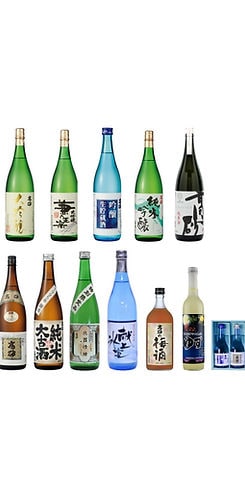
Sake and liqueurs
Sake / Liqueur- Takasago (Ishikawa Prefecture), light and dry
Rice
Rice- Japanese rice from Hokuriku / Toyama and other regions (proposed to suit your needs)
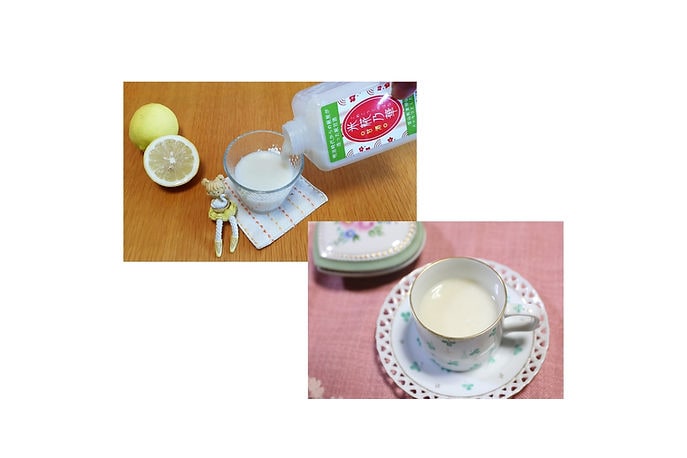
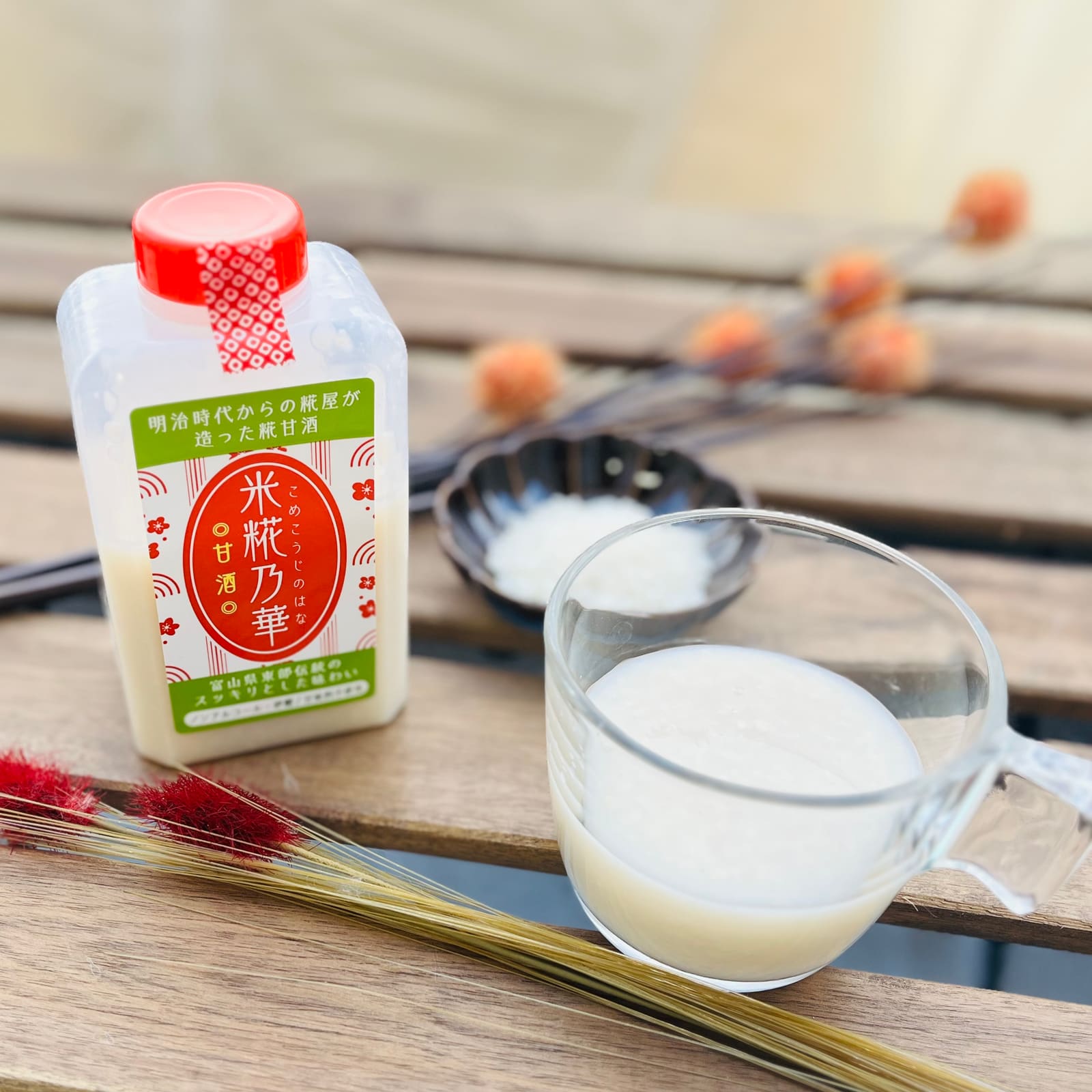
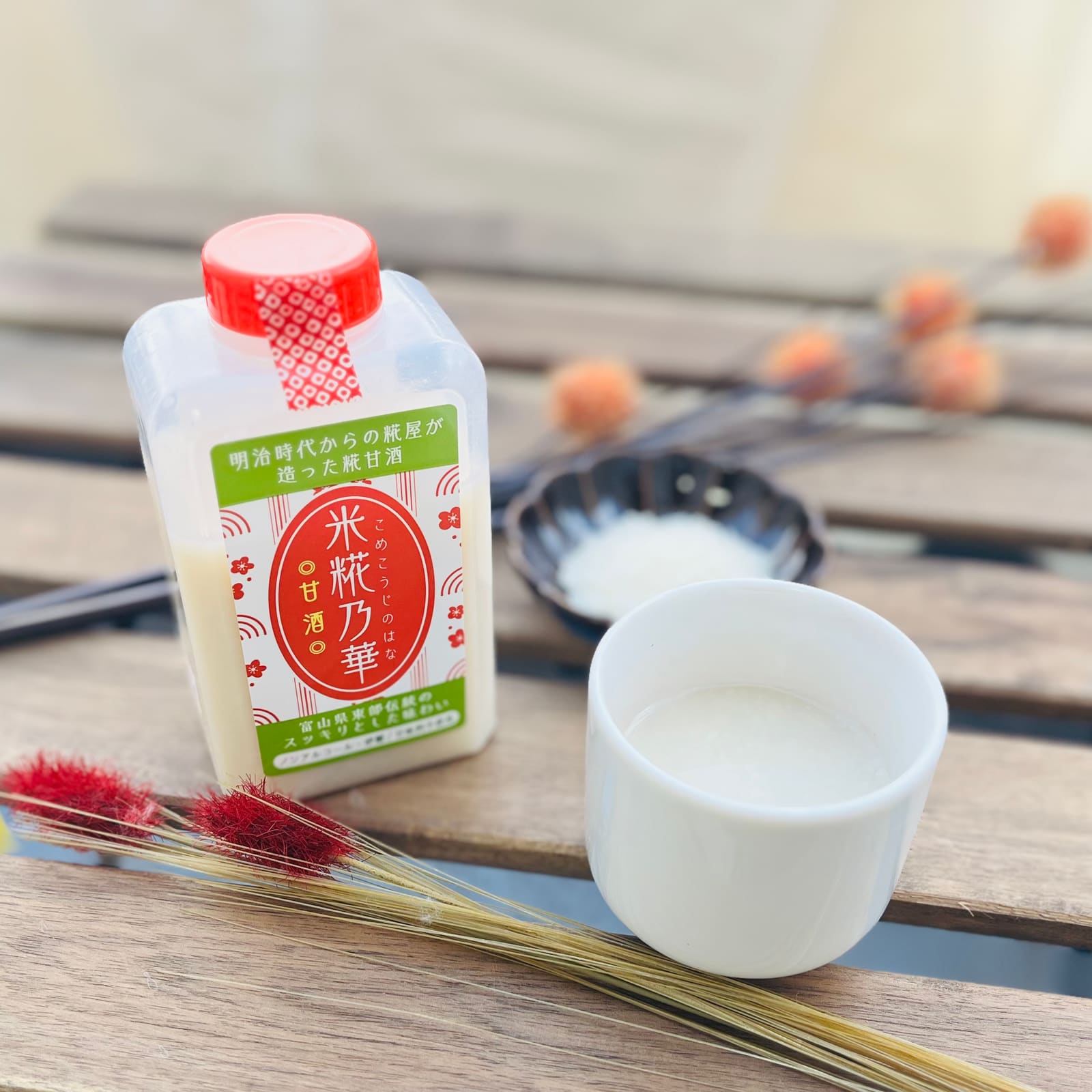
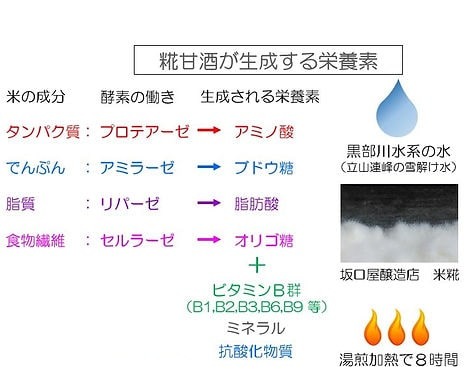
Nutrients produced by kouji amazake
Kouji amazake is made by letting enzymes produced by kouji mold break down rice, and it contains B vitamins, oligosaccharides, amino acids, glucose, dietary fiber and minerals. As the kouji enzymes break the rice starch down into sugars, a natural, gentle sweetness develops. Although its name contains the word "sake," amazake is a non-alcoholic beverage. It can be enjoyed by the whole family, from small children to older people.
- B vitamins
- Amino acids
- Glucose
- Oligosaccharides
- Minerals

Delicious ways to enjoy it
- 01Kome Kouji-no-Hana is delicious either chilled or warmed. To warm it, heat it in a hot-water bath to your preferred temperature. (Please do not heat it above 60°C.)
- 02Enjoy it straight, just as it is.
- 03Kouji amazake goes well with citrus and other tart fruits. (It is especially good with a little orange juice added, or enjoyed with kiwi fruit, passion fruit or black tea.) (You can also try adding jabara citrus juice.)
- 04Kouji amazake also pairs well with dairy products such as milk, yogurt and ice cream, and can be chilled into a delicious sherbet.
- 05Mix in cinnamon, kinako (roasted soybean flour) or cocoa to enjoy it as a sweet treat. It is also delicious mixed with hojicha, matcha or black tea.
- 06Enjoy a cup as a break from work or study, or whenever you feel a little peckish.
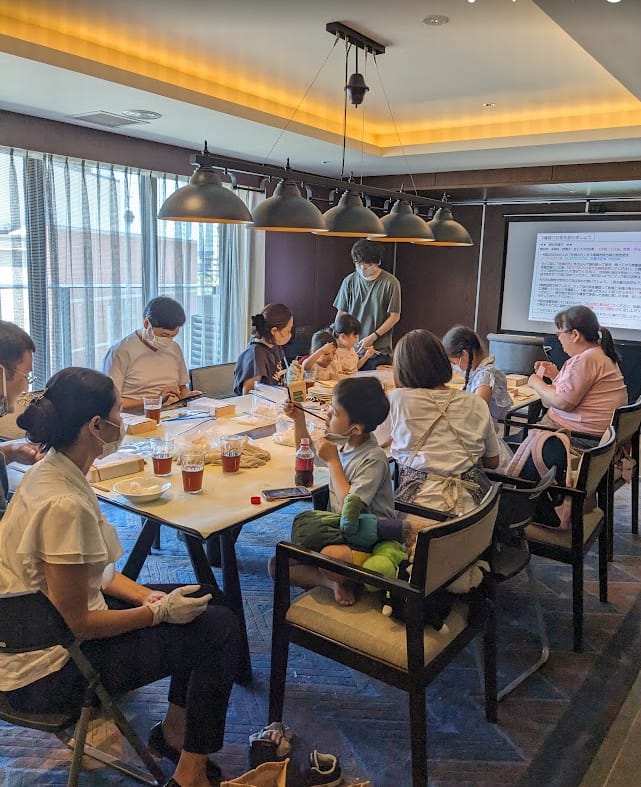
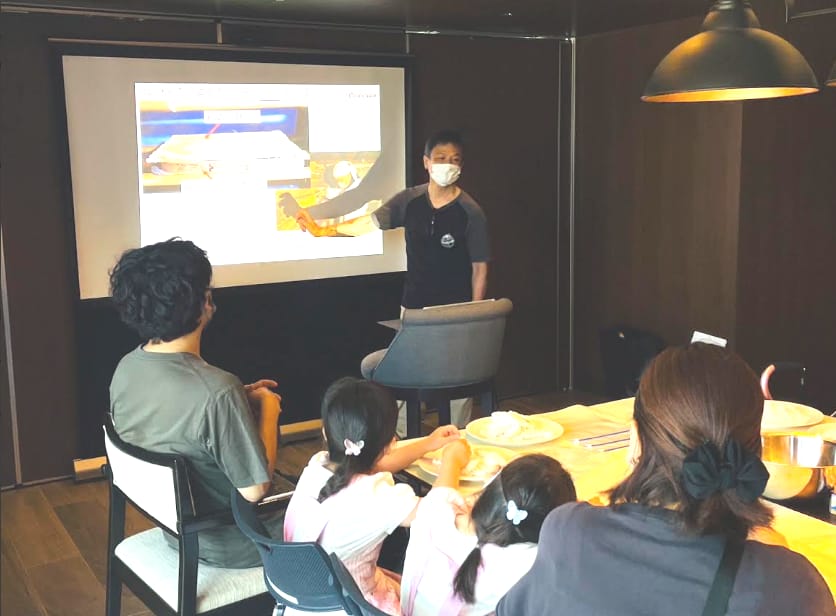
Seminars on making delicious amazake and miso
In our seminars, we share tips for making delicious kouji amazake, shio-kouji and miso at home. Here are some recipes you can try in your own kitchen.
Easy kouji amazake (without an amazake maker or yogurt maker)
You will need: a rice cooker (5-go size), cooked rice or cooked glutinous rice, a thermometer, bottled natural water (soft water) or filtered tap water, and a small zip-top bag (size S)
- Take just 200g from a 400g pack of rice kouji stored in the freezer or refrigerator. Return the rest to the refrigerator, or keep it in the freezer for long-term storage. While the rice kouji thaws, break up the clumps by hand into individual grains. Spreading it out on newspaper or tissue paper as you break it up makes it easier to check that the grains are separated.
- Put 150g of cooked rice or cooked glutinous rice into the zip-top bag and add about 500ml of water that has been boiled and cooled to about 55°C. You can adjust the amount of water between 450 and 600ml to taste. If the rice is freshly cooked, it is hot, so do not add the rice kouji yet (the kouji mold is deactivated above 65°C). Of course, cooled rice or glutinous rice works perfectly well. ・White rice: makes amazake with a clean, refreshing sweetness. ・Glutinous rice: makes amazake with a pronounced sweetness. Choose whichever you prefer.
- After adding the rice and water to the bag, knead it gently to blend, then add all of the separated rice kouji (200g). Knead and shake the bag to mix well, then press out all the air and seal it. Pour a suitable amount of lukewarm water (ideally about 55°C) into the rice cooker pot and submerge the bag. Keep to the maximum fill line so the water does not overflow.
- Set the rice cooker to "keep warm" and leave the lid half open (a gap of about 3–5cm). Keep the bag in the warm water bath for 8 to 10 hours. After about 2 hours, shake the bag once to stir. (If the lid is fully closed, the water will rise above 70°C and the amazake will not form.) If the water evaporates, add more so that the bag stays submerged.
- After 8 to 10 hours, take the bag out of the water bath. (It should feel soft and squishy.)
- Immediately place the bag in cold water (ice water is best). If you have no ice water, cool it under running water. (This is the key point.)
- Once the amazake has cooled completely, transfer it to a clean container (ideally disinfected with alcohol and then sterilized in boiling water) and chill it in the refrigerator. If you will not drink it right away, store it in the freezer.
Note: Amazake made at home cannot be pasteurized or heat-sterilized, so please consume it within 3 days if refrigerated or within 1 week if frozen. The kouji mold can become active and produce gas in bottles or plastic containers, so do not seal them completely.
The most delicious method is to make it with a hot-water bottle, but this takes a lot of effort, such as replacing the water with boiling water every 2 hours and wrapping the pot in a blanket.
How to make shio-kouji (winter)
You will need: rice kouji (400g), water (400ml), salt (120g), and a lidded container sterilized in boiling water
- If the 400g pack of rice kouji has been stored in the freezer, spread out newspaper or tissue paper and break up the clumps by hand into individual grains. Breaking it up by hand also thaws it at the same time.
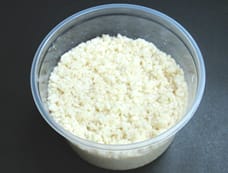
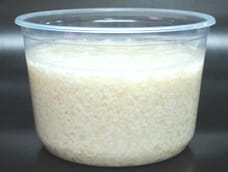
- Put 200ml of filtered water or bottled natural water (soft water), 400g of rice kouji and 120g of salt into the sterilized container. Leave it for about 3 to 4 hours, and the rice kouji will absorb the water and swell. Then add all of the remaining water (200ml) and stir well (until the rice kouji is just covered).
- Keep the lidded container in a cool place out of direct sunlight for 1 to 2 weeks. Stirring it every day helps it mature well into delicious shio-kouji. (Do not tighten the lid; leave it loose enough for the gas produced during maturation to escape. Do not store it where dust or oil may splash.)
- The shio-kouji is ready when it has softened and the flavor has become mellow. Close the lid tightly and store it in the refrigerator (it keeps for about 3 months in the refrigerator). With long storage, the color may turn grayish, but this does not affect quality or taste.
How to use shio-kouji
Guide: use shio-kouji at about 7% of the weight of the ingredients (about 7g of shio-kouji per 100g).
- For meat or fish, spread shio-kouji at about 7% of the weight of the meat or fish over the whole surface about 1 to 2 hours before cooking, then cook as is. You may also remove the shio-kouji before cooking. (About 7g of shio-kouji rubbed into 100g of meat.)
- For vegetables, spread shio-kouji at about 7% of the weight of the vegetables over them, wrap in plastic wrap and keep in the refrigerator for half a day to make shio-kouji pickles. (Spread about 7g over 100g of cucumber, wrap and refrigerate for half a day, then slice and serve.)
How rice kouji is made (about 70 hours)
- ①
Washing and soaking
The rice is carefully washed and soaked in water.
- ②
Steaming
The rice is steamed in a steamer.
- ③
Adding seed kouji
The steamed rice is cooled and seed kouji is sprinkled evenly over it (toko-momi).
- ④
Kirikaeshi (turning)
The kouji is mixed by hand to even out its temperature.
- ⑤
Mori (dividing)
The kouji is divided into wooden trays called kouji-buta.
- ⑥
Naka-shigoto (middle work)
The kouji, which is now generating heat, is mixed again to regulate its temperature.
- ⑦
Shimai-shigoto (final work)
As the kouji nears completion, the final temperature adjustment is made.
- ⑧
De-kouji (unloading)
After a process of about 70 hours, the kouji is taken out of the muro (kouji room).
- ⑨
Completion
Beautiful kome-kouji, as if white flowers had bloomed, is complete.
Markets and events
Through in-person sales at events such as the Tamagawa Green Market at Tamagawa Takashimaya S.C., we bring specialties from Hokuriku / Toyama directly to customers.
Upcoming dates and the latest updates from our social media are on the Events page.
View eventsTalk to us about this business
Please feel free to contact us for quotes, implementation inquiries or media requests.